
 Regulation
July 2026
CQC Single Assessment Framework: What Actually Changed in 2026
A plain-English look at the new quality statements and how to evidence them in everyday care.
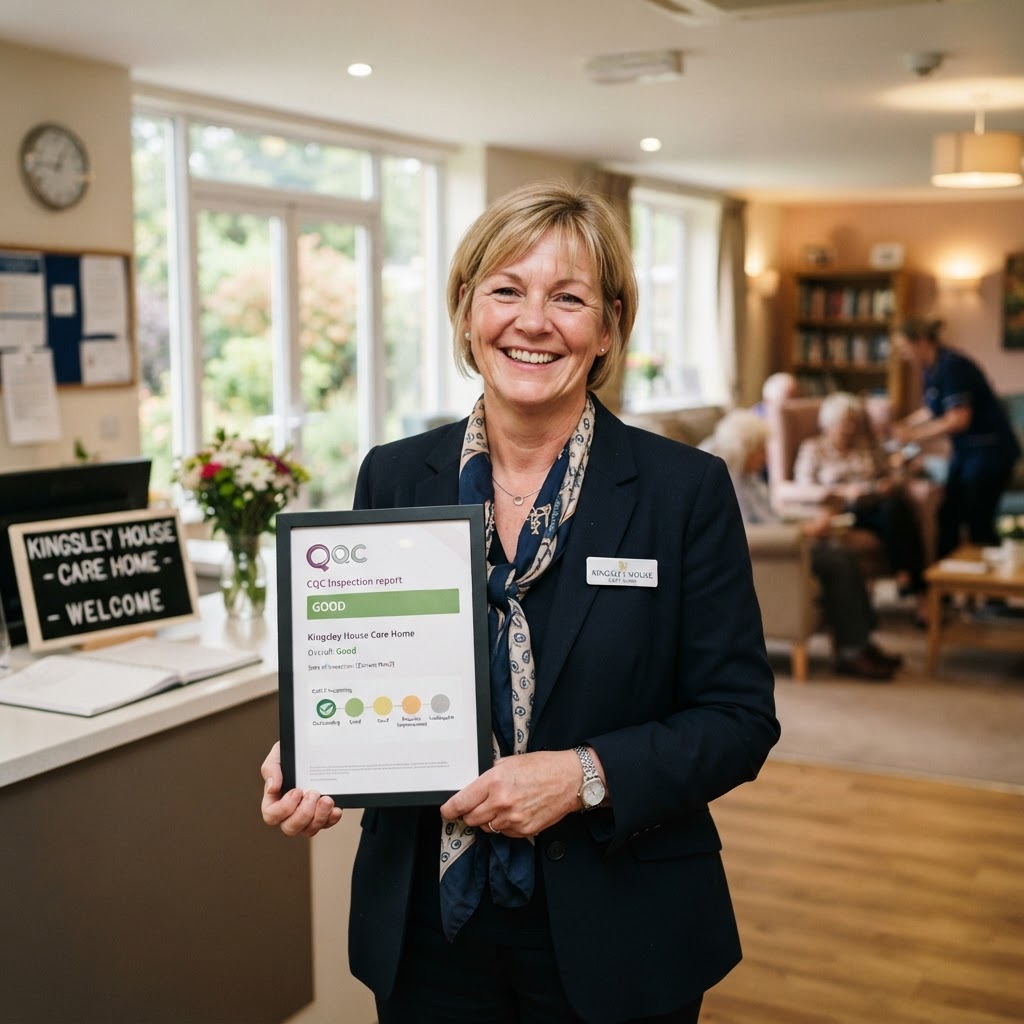
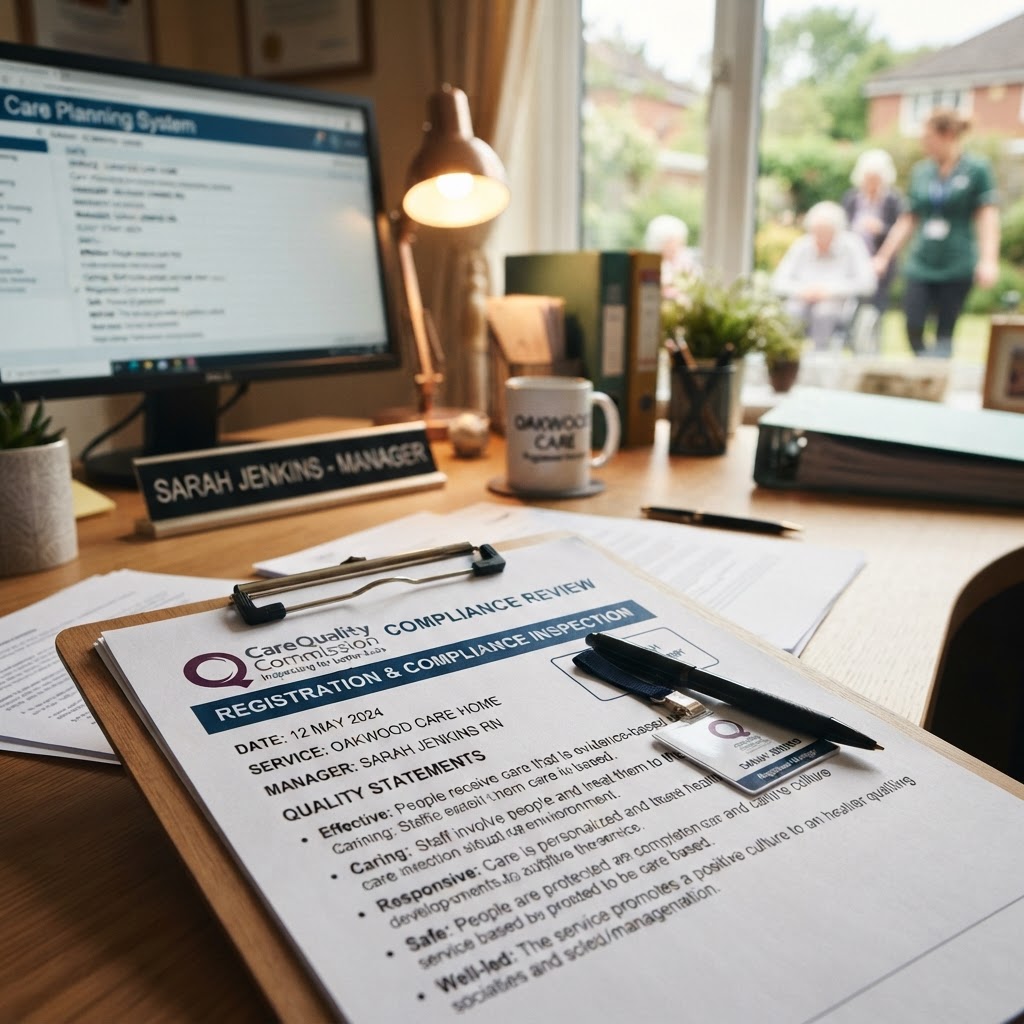
The CQC's updated Single Assessment Framework (SAF) is now fully in force across England, and the shift is more than cosmetic. The old Key Lines of Enquiry have been replaced with quality statements written in plain English, so a registered manager, a senior care assistant and a CQC inspector can all describe "good" in the same words.
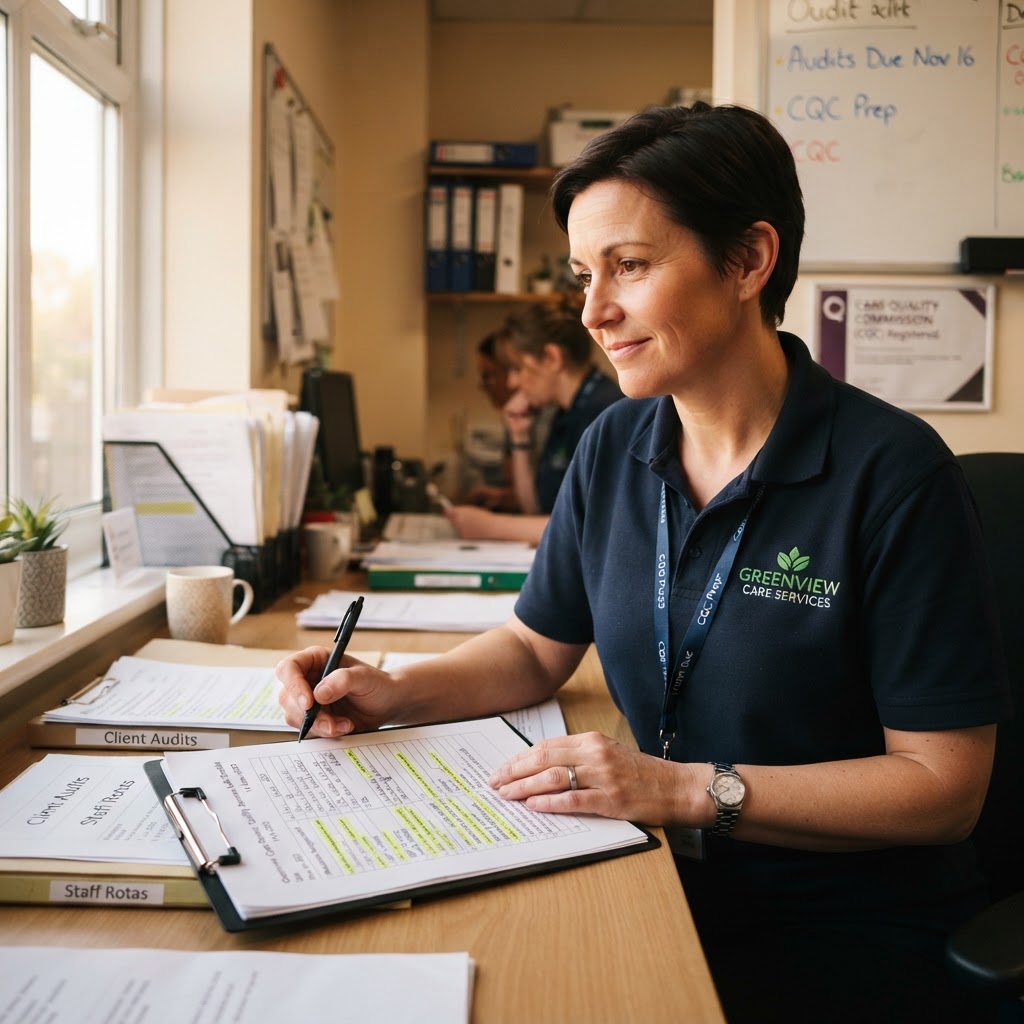
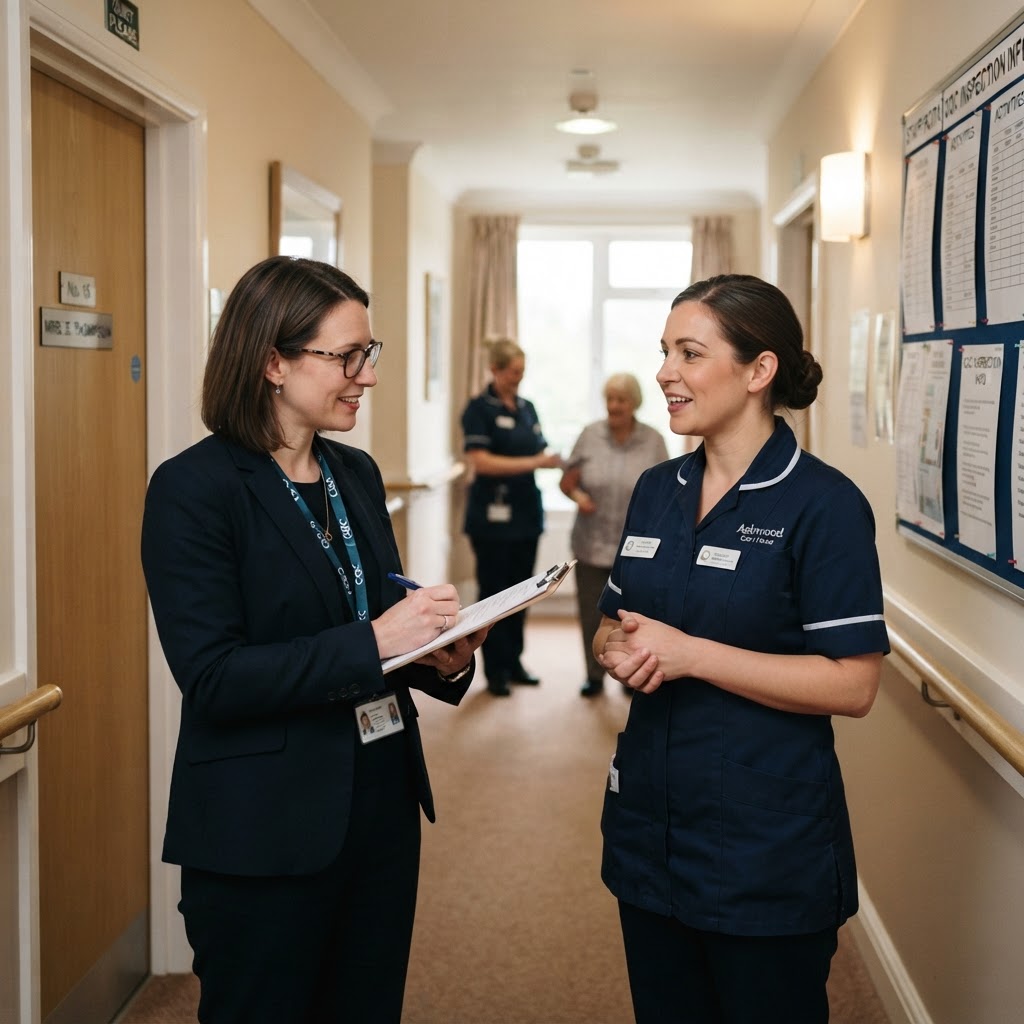
The biggest change is how evidence is gathered. Inspectors no longer rely mainly on what you present on the day. They draw on a live, rolling evidence base: your notifications, concerns raised by families, staff feedback, your statement of purpose, and the day-to-day records your team keeps. This means compliance is assessed as an ongoing picture, not a one-off performance.
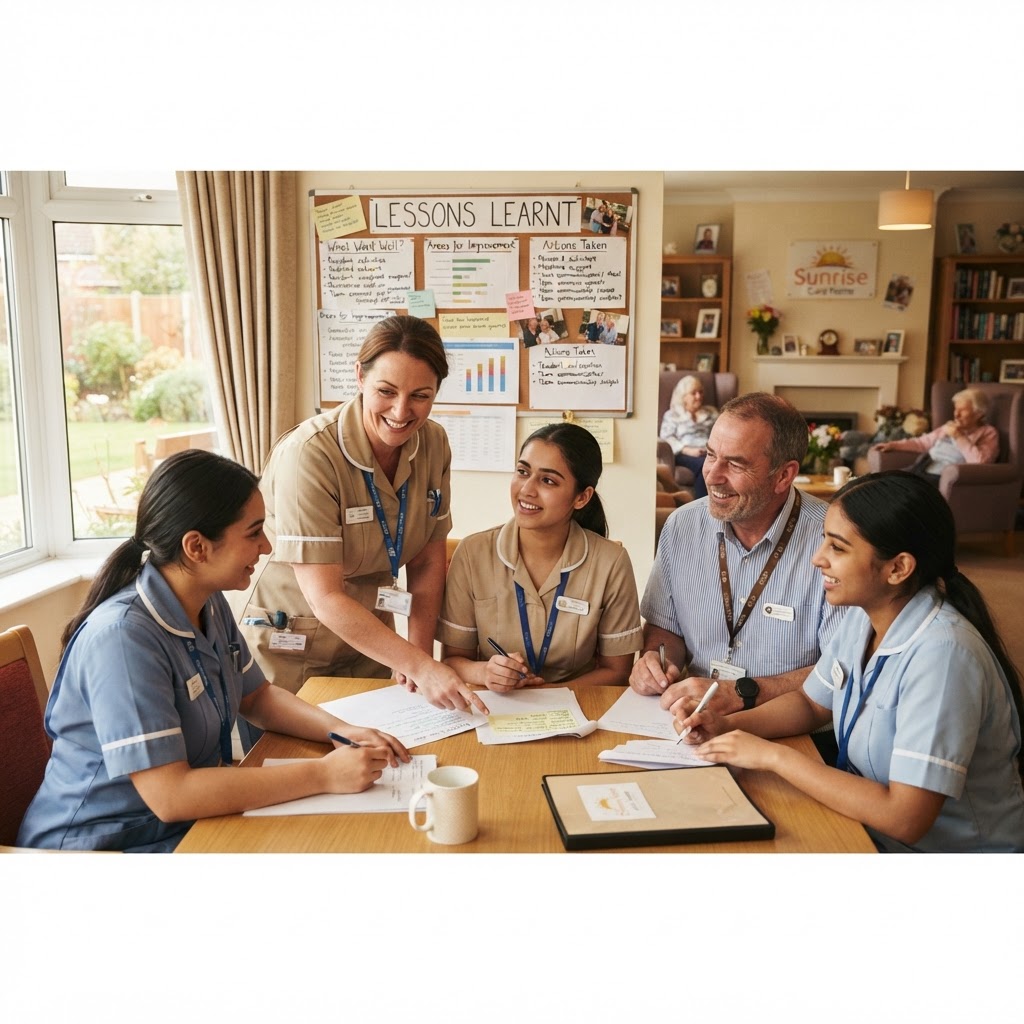
The I/We statements matter here. CQC expects every quality statement to be backed by evidence that practice has genuinely changed and is embedded, not just written in a policy. A safeguarding policy on the shelf no longer counts on its own. What counts is the supervision record that shows the team discussed it, the incident review that updated it, and the handover note where the learning was shared.
People's voices carry more weight too. Service user, relative and staff feedback is now triangulated against your records, and where they don't match, inspectors dig in. A care plan that says one thing and a family member describing another is exactly the kind of gap that gets noticed.
The agencies we work with that are scoring well treat the SAF as the way they run the service, not a folder they open before an inspection. We help you build the evidence loop into your existing audits, so the framework is lived, not laminated.